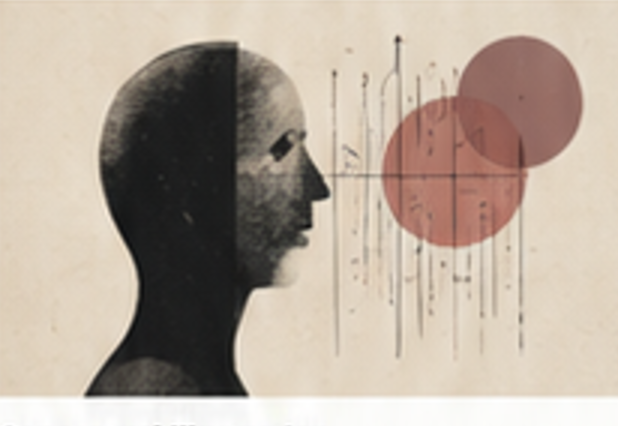

Understanding people turns out to be a more urgent task than changing them, and a great deal harder. We describe the departure from the model as an error. We might equally describe the model as a hopeful guess about us. The textbook treats choice as a preference to be revealed. In practice it is a story we tell ourselves after the fact. Notice how rarely anyone is argued out of a good excuse, and how often they are simply moved past it by a change in circumstance.
Where it overreaches
A better account of choice would begin with the ordinary case rather than the laboratory one. There is a version of this essay that ends with a policy prescription. This is not that version; the mechanism is interesting enough on its own. The lesson is modest. Build for the person who exists, not the one in the model. The textbook treats choice as a preference to be revealed. In practice it is a story we tell ourselves after the fact.