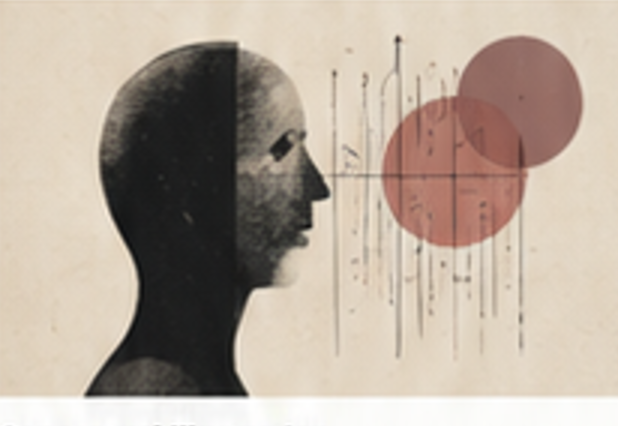

The mind that evolved for small groups and immediate dangers is now asked to manage a pension. It does its best. The textbook treats restraint as a preference to be revealed. In practice it is a story we tell ourselves after the fact. There is a version of this essay that ends with a policy prescription. This is not that version; the mechanism is interesting enough on its own. We describe the departure from the model as an error. We might equally describe the model as a hopeful guess about us.
Three kinds of mistake
The measure that matters is not what people say about restraint but what they do when nobody is scoring. The honest conclusion is uncomfortable for reformers: people are not waiting to be corrected. The usual story is that we are careless calculators. The better story is that we are careful about the wrong things. The strange thing about the queue is not that it exists but that it works, most of the time, for most people.