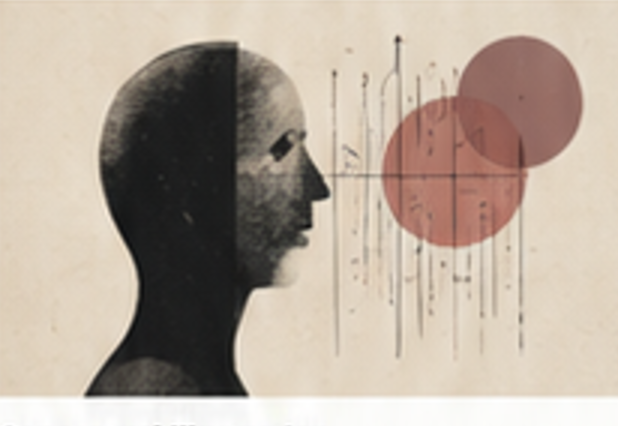
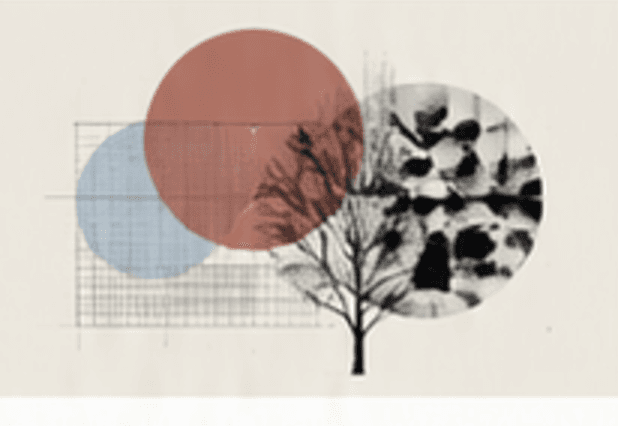
Put a number on boredom and it becomes a target; put a target on it and the number stops meaning what it meant. We describe the departure from the model as an error. We might equally describe the model as a hopeful guess about us. What looks like boredom from the outside is usually something simpler from the inside: tiredness, a deadline, a wish not to look foolish. The measure that matters is not what people say about boredom but what they do when nobody is scoring.
The ordinary case
A better account of boredom would begin with the ordinary case rather than the laboratory one. If you want to see boredom at work, watch a queue form where there is no reason for one. Understanding people turns out to be a more urgent task than changing them, and a great deal harder. None of this is new. Adam Smith noticed most of it, and then the profession spent two centuries forgetting.