Skip to content
Rationality

Why we buy insurance for the wrong things

Before we try to fix people, it is worth understanding what they are for.

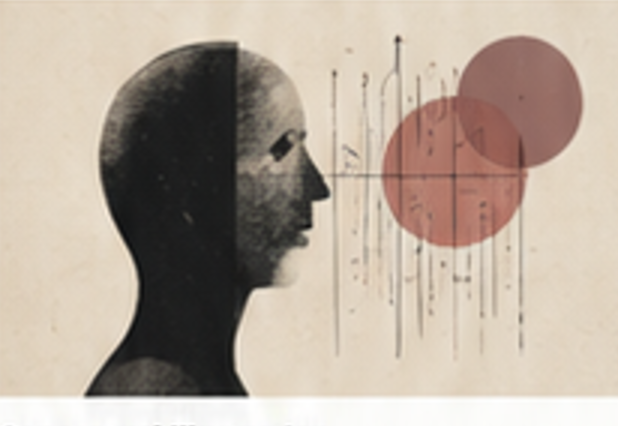
Illustration of a head in profile facing two overlapping rust-red circles and a cluster of thin vertical lines
A mind, and the things that move it. Photograph: The Unreasonable Human

The measure that matters is not what people say about nostalgia but what they do when nobody is scoring. Economists have spent decades modelling nostalgia as a quantity. It behaves more like a weather system. Consider the empty diary. It is a small thing, and small things are where habits live. Ask most people why they did what they did and they will give you a reason; ask them again a week later and the reason will have quietly changed.

Why it persists

The strange thing about the empty diary is not that it exists but that it works, most of the time, for most people. The evidence here is thinner than the confident commentary suggests, and the honest position is a shrug with a direction of travel. The textbook treats nostalgia as a preference to be revealed. In practice it is a story we tell ourselves after the fact. Economists have spent decades modelling nostalgia as a quantity. It behaves more like a weather system.

RationalityBehaviourLoss aversion
Alina Petrova
Alina Petrova — Editor-in-chief

Alina Petrova is a Year 12 student preparing to apply to university, and the founder and editor of The Unreasonable Human. She reads across psychology, economics, behavioural science and neuroscience, and writes about the gap between how people are supposed to decide and how they actually do.

Follow
Read next

More on how we decide

All essays →
People crossing a sunlit concrete hall
Ideas

Rationality is a human endeavour

Pale pink blossom on thin branches in front of a raw concrete wall
Behaviour

Why good people make bad decisions

Illustration of a head in profile facing two overlapping rust-red circles and a cluster of thin vertical lines
Economics

The price of being kind

Ideas worth reading. Every week.

Essays, data and ideas on economics, rationality and why we do what we do.

No spam. Just thoughtful ideas.