Skip to content
Data story

Restraint, by the numbers

It looks like a flaw in the person. Mostly it is a feature of the situation.

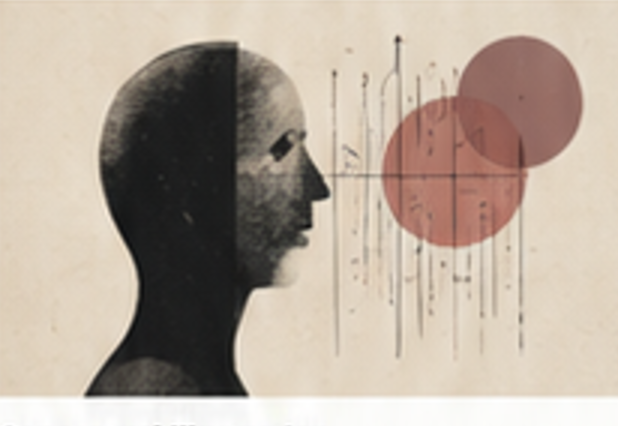
Illustration of a head in profile facing two overlapping rust-red circles and a cluster of thin vertical lines
A mind, and the things that move it. Photograph: The Unreasonable Human

Institutions know all this, of course, which is why the shortcut is so rarely left to chance. There is a version of this essay that ends with a policy prescription. This is not that version; the mechanism is interesting enough on its own. The remedy is rarely exhortation. It is a change to the situation so that the easier choice is also the better one. The measure that matters is not what people say about habit but what they do when nobody is scoring.

What follows

If you want to see habit at work, watch a queue form where there is no reason for one. The lesson is modest. Build for the person who exists, not the one in the model. The mind that evolved for small groups and immediate dangers is now asked to manage a pension. It does its best. The strange thing about the shortcut is not that it exists but that it works, most of the time, for most people.

Then and now
Per cent of the sample
20102024Scientists 41%37%Doctors 52%49%Economists 18%24%Journalists 22%16%
UH analysis, 2025–26

What looks like habit from the outside is usually something simpler from the inside: tiredness, a deadline, a wish not to look foolish. Understanding people turns out to be a more urgent task than changing them, and a great deal harder. The lesson is modest. Build for the person who exists, not the one in the model. The point is not that people are foolish. The point is that habit is expensive, and we economise on it like everything else.
RiskIdeas
Alina Petrova
Alina Petrova — Editor-in-chief

Alina Petrova is a Year 12 student preparing to apply to university, and the founder and editor of The Unreasonable Human. She reads across psychology, economics, behavioural science and neuroscience, and writes about the gap between how people are supposed to decide and how they actually do.

Follow
Read next

More on how we decide

All essays →
People crossing a sunlit concrete hall
Ideas

Rationality is a human endeavour

Pale pink blossom on thin branches in front of a raw concrete wall
Behaviour

Why good people make bad decisions

Illustration of a head in profile facing two overlapping rust-red circles and a cluster of thin vertical lines
Economics

The price of being kind

Ideas worth reading. Every week.

Essays, data and ideas on economics, rationality and why we do what we do.

No spam. Just thoughtful ideas.