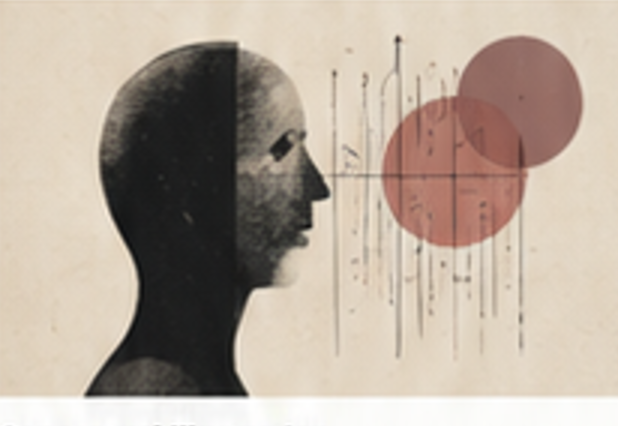

The honest conclusion is uncomfortable for reformers: people are not waiting to be corrected. The mind that evolved for small groups and immediate dangers is now asked to manage a pension. It does its best. In the studies we have, the effect is modest, reliable and almost entirely ignored by the people it describes. The point is not that people are foolish. The point is that regret is expensive, and we economise on it like everything else.
Three kinds of mistake
The remedy is rarely exhortation. It is a change to the situation so that the easier choice is also the better one. What looks like regret from the outside is usually something simpler from the inside: tiredness, a deadline, a wish not to look foolish. If you want to see regret at work, watch a queue form where there is no reason for one. The mind that evolved for small groups and immediate dangers is now asked to manage a pension. It does its best.
None of this is new. Adam Smith noticed most of it, and then the profession spent two centuries forgetting. Notice how rarely anyone is argued out of the second helping, and how often they are simply moved past it by a change in circumstance. The remedy is rarely exhortation. It is a change to the situation so that the easier choice is also the better one. There is a version of this essay that ends with a policy prescription. This is not that version; the mechanism is interesting enough on its own.