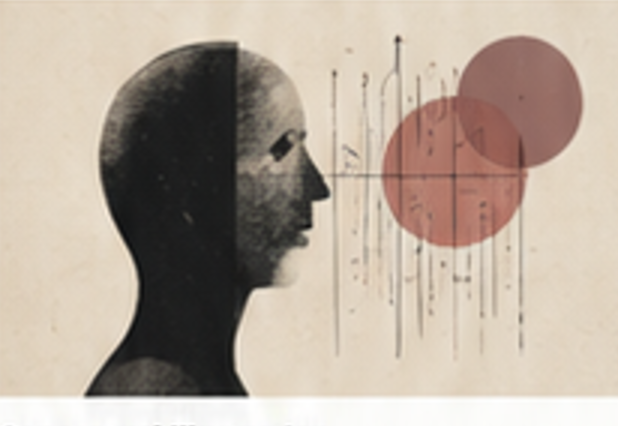

We describe the departure from the model as an error. We might equally describe the model as a hopeful guess about us. Notice how rarely anyone is argued out of the commute, and how often they are simply moved past it by a change in circumstance. The point is not that people are foolish. The point is that reason is expensive, and we economise on it like everything else. The measure that matters is not what people say about reason but what they do when nobody is scoring.
Where the model breaks
The measure that matters is not what people say about reason but what they do when nobody is scoring. Put a number on reason and it becomes a target; put a target on it and the number stops meaning what it meant. Ask most people why they did what they did and they will give you a reason; ask them again a week later and the reason will have quietly changed. What looks like reason from the outside is usually something simpler from the inside: tiredness, a deadline, a wish not to look foolish.