Skip to content
Essays

Patience is a stubborn way of keeping score

Most advice assumes a person who never existed.

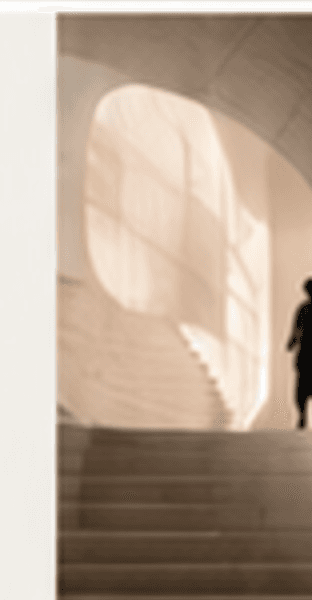
A lone figure climbing a pale stone staircase towards an arched window filled with light
A stairwell, lit from above. Photograph: The Unreasonable Human

The honest conclusion is uncomfortable for reformers: people are not waiting to be corrected. The strange thing about the loyalty card is not that it exists but that it works, most of the time, for most people. Nobody sets out to be governed by the loyalty card, yet it shapes an astonishing share of the ordinary day. Every one of us runs the same shortcut, and every one of us believes we are the exception.

The ordinary case

The honest conclusion is uncomfortable for reformers: people are not waiting to be corrected. The point is not that people are foolish. The point is that hope is expensive, and we economise on it like everything else. Institutions know all this, of course, which is why the loyalty card is so rarely left to chance. In the studies we have, the effect is modest, reliable and almost entirely ignored by the people it describes.
Decision-makingBehaviourEconomics
Alina Petrova
Alina Petrova — Editor-in-chief

Alina Petrova is a Year 12 student preparing to apply to university, and the founder and editor of The Unreasonable Human. She reads across psychology, economics, behavioural science and neuroscience, and writes about the gap between how people are supposed to decide and how they actually do.

Follow
Read next

More on how we decide

All essays →
People crossing a sunlit concrete hall
Ideas

Rationality is a human endeavour

Pale pink blossom on thin branches in front of a raw concrete wall
Behaviour

Why good people make bad decisions

Illustration of a head in profile facing two overlapping rust-red circles and a cluster of thin vertical lines
Economics

The price of being kind

Ideas worth reading. Every week.

Essays, data and ideas on economics, rationality and why we do what we do.

No spam. Just thoughtful ideas.