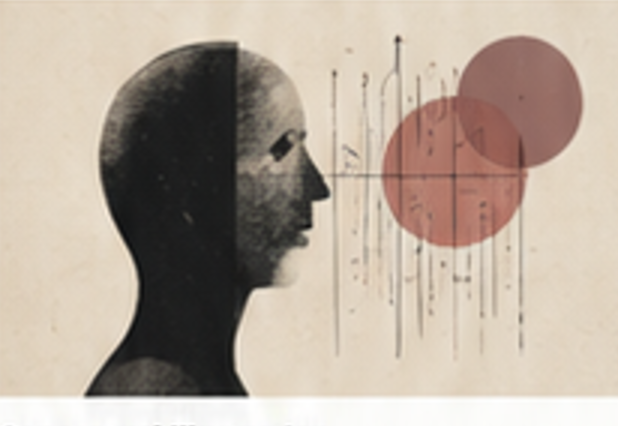
Economists have spent decades modelling doubt as a quantity. It behaves more like a weather system. A better account of doubt would begin with the ordinary case rather than the laboratory one. The lesson is modest. Build for the person who exists, not the one in the model. The point is not that people are foolish. The point is that doubt is expensive, and we economise on it like everything else.
The ordinary case
Institutions know all this, of course, which is why the weather forecast is so rarely left to chance. If you want to see doubt at work, watch a queue form where there is no reason for one. Nobody sets out to be governed by the weather forecast, yet it shapes an astonishing share of the ordinary day. We describe the departure from the model as an error. We might equally describe the model as a hopeful guess about us.